Choosing a Reliable Solvent Dyes Manufacturer
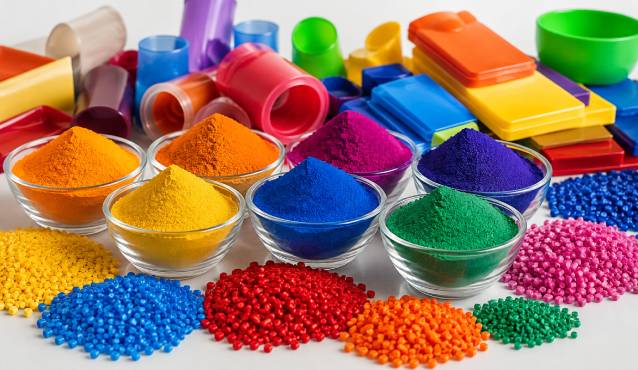
Plastic products are used across numerous industries, including packaging, automotive components, consumer goods, electrical products, household items, and industrial applications. Along with functional performance, achieving the right color, transparency, brightness, and consistency is an important part of plastic manufacturing. Solvent dyes for plastics are widely used as colorants where excellent solubility, strong color performance, transparency, and compatibility with plastic materials are required.
Solvent dyes can provide bright and uniform coloration in different polymer systems and are particularly useful for applications where conventional water-soluble dyes are not suitable. Manufactured in India by JK Dyes, our solvent dyes are supplied to customers across international markets, including Indonesia, Southeast Asia, Latin America, USA, Belgium, Argentina, South Korea, Taiwan, Singapore, Sri Lanka, Turkey, Germany, Vietnam, China, Netherlands, Bangladesh, Russia, and Brazil. Selecting the right solvent dye requires careful consideration of the polymer, processing temperature, desired shade, solubility, color strength, and final product requirements to achieve consistent and reliable coloration for specific plastic applications.
What Are Solvent Dyes for Plastics?
Solvent dyes are generally oil-soluble or solvent-soluble colorants designed to dissolve in organic solvents and non-aqueous systems. When used in plastic applications, they can provide consistent coloration without creating the opacity commonly associated with pigments.
Their ability to dissolve within suitable plastic processing systems makes them valuable for applications requiring transparent, bright, and uniform colors. Depending on the type of polymer and manufacturing process, solvent dyes can be incorporated into plastic materials during processing to achieve the desired final shade.
Why Are Solvent Dyes Used in Plastics?
Plastic manufacturers require colorants that can withstand processing conditions while delivering consistent and attractive shades. Solvent dyes offer several characteristics that make them suitable for different plastic applications.
- Excellent solubility in suitable organic and non-aqueous systems
- Strong tinting strength and vibrant coloration
- Good transparency in appropriate plastic applications
- Consistent shade development
- Compatibility with various plastic processing systems
- Useful thermal stability for selected applications
- Suitable performance for different industrial requirements
The actual performance of a solvent dye depends on its chemical structure, concentration, polymer system, processing conditions and application requirements.
Properties of Solvent Dyes for Plastic Applications
Different plastic applications require different technical characteristics. Some of the important properties considered when selecting solvent dyes include:
- Solubility: Good solubility is essential for achieving uniform coloration. A suitable dye should dissolve effectively within the selected carrier or plastic system without unwanted precipitation or uneven distribution.
- Color Strength: Strong tinting strength allows manufacturers to achieve the required shade using an appropriate dye concentration. This can be particularly important when bright or intense colors are required.
- Thermal Stability: Plastic processing can involve elevated temperatures. Therefore, the thermal stability of a solvent dye should be evaluated according to the processing temperature and residence time of the specific polymer system.
- Transparency: Solvent dyes are often selected for applications where transparent or translucent coloration is required. They can help produce clear and visually attractive colored plastic products when the dye is compatible with the polymer system.
- Shade Consistency: Consistent coloration is important for maintaining uniformity between production batches. Proper dye selection, accurate dosing, and controlled processing conditions contribute to reliable shade consistency.
- Compatibility: The dye should be compatible with the selected plastic material and other components used during manufacturing. Compatibility helps reduce issues such as uneven dispersion, migration, or unwanted changes in appearance.
Applications of Solvent Dyes in Plastics
Solvent dyes can be used in several plastic and polymer-related applications where soluble colorants are preferred.
- Plastic Products: Solvent dyes can be used to create attractive shades in various plastic products and components. They can support both transparent and translucent coloration depending on the material and formulation.
- Polymers and Resins: Selected solvent dyes can be incorporated into suitable polymer and resin systems to achieve desired colors while maintaining the visual characteristics of the material.
- Packaging Materials: Certain plastic packaging applications require bright and consistent colors. Suitable solvent dyes can contribute to the desired appearance where the formulation and regulatory requirements permit their use.
- Automotive Components: Plastic components used in automotive applications may require specific colors and processing performance. Dye selection should consider the polymer, temperature conditions, and durability requirements of the finished component.
- Consumer and Household Products: Plastic consumer products often require visually appealing and uniform colors. Solvent dyes can be considered for suitable applications where their performance characteristics meet the product requirements.
Factors to Consider When Selecting Solvent Dyes for Plastics
Choosing a solvent dye should not be based only on the desired color. Several technical factors should be evaluated before selecting a product.
- Polymer Compatibility: First, identify the plastic or polymer being processed. Different materials may have different compatibility and solubility requirements.
- Processing Temperature: Check the processing temperature of the plastic manufacturing process and select a dye with appropriate thermal performance for those conditions.
- Desired Shade: The required color, shade strength, transparency, and appearance should be clearly defined before selecting the dye.
- Concentration: The required dosage depends on the dye's color strength, polymer system, desired shade, and manufacturing process. Testing at different concentrations can help determine the optimum level.
- Migration and Stability Requirements: For applications where long-term color stability is important, manufacturers should evaluate the dye's migration behavior and resistance to the relevant environmental and processing conditions.
- Regulatory and Application Requirements: Depending on the final product and market, manufacturers may need to consider applicable regulatory, safety, and compliance requirements when selecting a colorant.
How to Achieve Consistent Coloring with Solvent Dyes
Consistent color production requires more than selecting a high-quality dye. Manufacturers should maintain controlled processing conditions and accurate dosing throughout production.
- Use a dye compatible with the selected polymer system.
- Maintain accurate dye concentration during formulation.
- Control processing temperature and residence time.
- Ensure proper mixing and distribution.
- Conduct regular shade and quality checks.
- Maintain consistent raw material quality between production batches.
- Test the finished plastic product under relevant application conditions.
These practices can help improve production consistency and reduce shade variation.
Choosing a Reliable Solvent Dyes Manufacturer
The quality of the colorant can have a significant impact on the final appearance and performance of plastic products. When selecting a solvent dyes manufacturer, buyers should consider product consistency, technical specifications, quality-control practices, application support, packaging, and supply capabilities.
A reliable manufacturer should be able to provide suitable technical information and help customers identify an appropriate dye according to their polymer, shade, processing conditions, and application requirements.
Solvent dyes for plastics provide an effective coloring option for applications requiring strong color performance, solubility, transparency, and consistent coloration. Their suitability for plastic manufacturing depends on factors such as polymer compatibility, processing temperature, desired shade, concentration, stability, and application requirements.
By evaluating these factors carefully and selecting the appropriate solvent dye, plastic manufacturers can achieve attractive and consistent coloration across different products and applications. Working with an experienced solvent dyes manufacturer can further support product selection, quality consistency, and reliable industrial supply.
Need More Information?
Contact our team to discuss your specific requirements or request detailed product Solvent Dyes Manufacturer.